
What Is Cryptocurrency? (Bitcoin, Ethereum & the Rest Explained)
By William · Swift Penguin · Educational content · Not financial advice
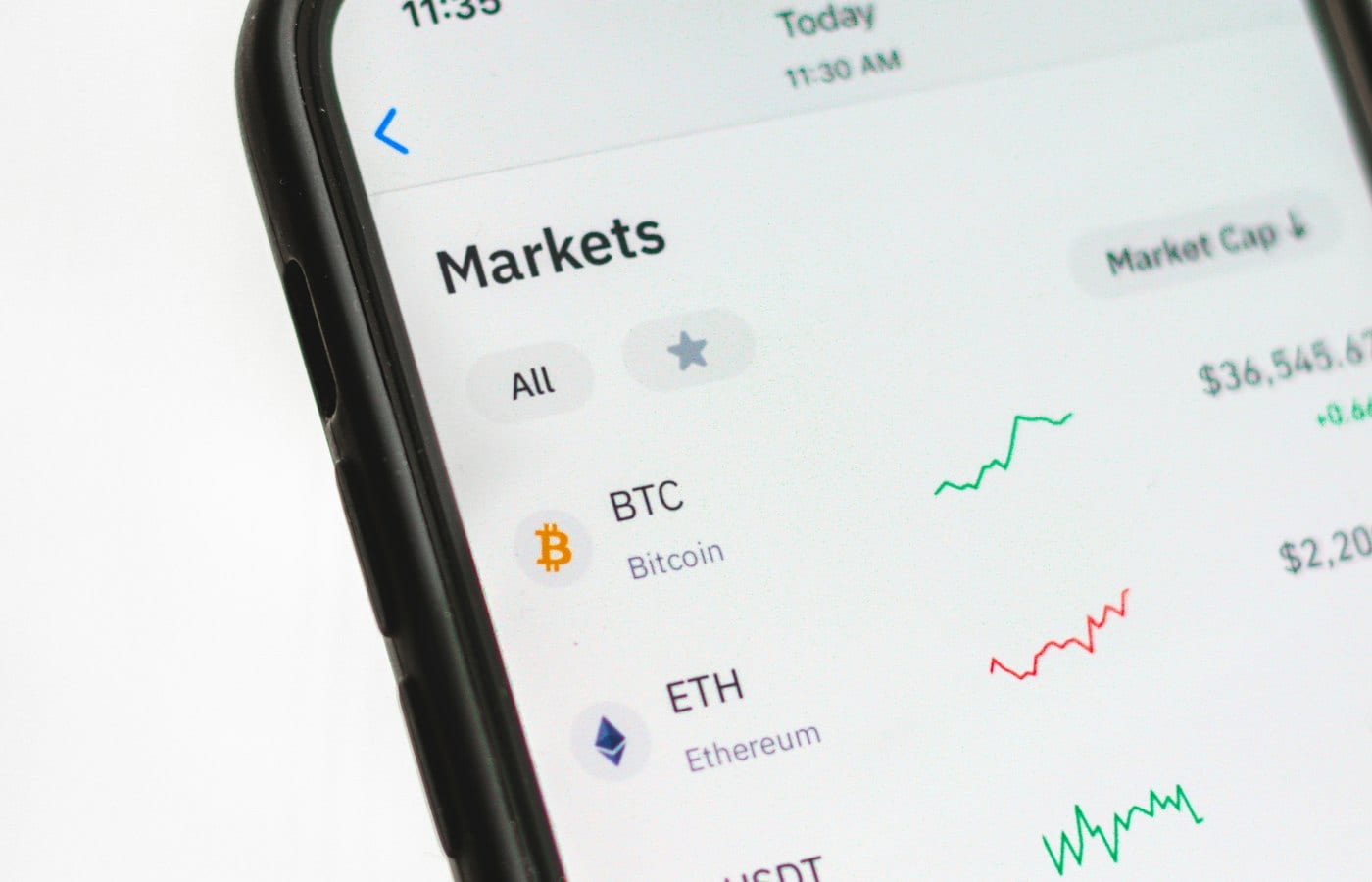
Crypto headlines oscillate between “new internet money” and “everything is a scam.” Both takes skip the boring middle: what these things actually are, how they move, and why beginners get wrecked. This guide is vocabulary and context. It is not financial advice. I am not telling you to buy Bitcoin, Ethereum, Solana, a memecoin, or anything else. Crypto can go to zero. Treat every named asset below as an example of a category — not a shopping list.
Learn the plumbing: blockchains, coins vs tokens, custody, and a neutral tour of the main assets people talk about. Educational only — not a tip sheet or a recommendation to buy anything.
What cryptocurrency actually is
A cryptocurrency is a digital asset that lives on a blockchain: a shared ledger many computers keep in sync without one company owning the book. Transactions are broadcast to the network, checked against rules, and recorded in batches (“blocks”) that chain together.
That design is why people talk about “permissionless” transfers and 24/7 markets. It is also why mistakes are harsh: send coins to the wrong address, lose a seed phrase, or use a fraudulent site, and there is often no help desk that can reverse it the way a bank might.
“Crypto” as a catch-all covers very different products — a scarce settlement asset, a smart-contract platform token, a dollar-pegged stablecoin, a meme ticker with almost no utility. Using one word for all of them is like calling every security a “stock.”
How this differs from stocks (in practice)
Stocks are claims on companies, usually held through brokers and clearing systems with investor-protection rules that vary by country. Crypto is closer to bearer digital property: whoever controls the keys controls the coins, unless you leave them on an exchange (then the exchange controls them).
Stock markets have sessions, circuit breakers, and listing standards. Crypto trades nearly around the clock; liquidity can vanish; “listings” on a random venue mean little. Price discovery is loud and often thin outside the largest names.
None of that makes crypto “better” or “worse” as an investment — it means the failure modes are different. If you only understand brokerage accounts, do not assume the same safety nets apply.
Bitcoin (BTC)
Bitcoin is the oldest widely known cryptocurrency (launched 2009). It has a fixed issuance schedule and a hard cap of 21 million coins. People describe it as digital gold, a settlement network, or speculative digital commodity — those are frames, not guarantees of value.
It does not try to be a full application platform the way Ethereum does. Most of the “story” is scarcity, decentralization of issuance, and network effects from being first. Stories do not protect you from drawdowns of 50%+ that have happened more than once.
Smallest common unit: satoshis (“sats”) — 100 million sats = 1 BTC. Useful when talking about small fiat amounts. Still not a reason to buy.
Ethereum (ETH) and smart contracts
Ethereum is a blockchain designed so programs (“smart contracts”) can run on-chain. That unlocked tokens, NFTs, decentralized exchanges, lending protocols, and a lot of experiments — including many that failed or were exploited.
ETH is the native asset used to pay for computation (“gas”) on Ethereum. When people say “on Ethereum,” they often mean apps and tokens that settle on that network (or related layers), not only holding ETH itself.
Fees spike when the network is busy. Users sometimes bridge or move activity to cheaper layers. Complexity is a feature of the ecosystem and a footgun for beginners.
Other large networks people mention
Solana (SOL), BNB Chain, Avalanche, Cardano, Toncoin, Tron, and others compete as alternative bases for apps and transfers — usually with different trade-offs on speed, fees, decentralization, and tooling. Listing them here is recognition of mindshare, not ranking quality.
XRP is associated with cross-border payment narratives and has had a long, public legal history in some jurisdictions. Again: context, not a recommendation.
If a coin’s entire pitch is “faster and cheaper,” ask who runs the validators, how tokens were distributed, and what happens when something breaks. Marketing decks skip that slide.
Stablecoins (USDT, USDC, and friends)
Stablecoins aim to track a fiat currency — usually the US dollar — so traders can move value on-chain without converting back to a bank every time. They are widely used as the “cash” leg inside crypto markets.
They are not risk-free cash. Designs differ: reserves, attestations, issuer risk, banking partners, and regulatory status change over time. A peg can wobble or break. Treat “$1” as a claim about a mechanism, not a government guarantee.
Educational point only: many market charts and exchange order books are priced against stablecoins. Understanding that plumbing helps you read screens. It is still not a buy (or hold) instruction.
Memecoins and long-tail alts
Memecoins (think dog- and frog-themed tickers) are mostly social/speculative tokens. Liquidity can be fake, contracts can be malicious, and prices can go to effectively zero. “Community” is not due diligence.
Thousands of other alts exist: some power niche apps; many are thin listings with little outside a marketing site. Being searchable on a price site does not mean a project is sound.
If you use converters or charts on this site for these names, you are doing unit math on a live quote — not receiving a quality rating.
Custody in one paragraph
Exchange account = custodian holds the keys (convenient; you take platform and withdrawal risk). Self-custody wallet = you hold the keys (powerful; lose the seed phrase and recovery can be impossible). Hardware wallets reduce some online-theft risk; they do not remove user error.
Phishing, fake apps, and “support” scams are endemic. Official domains and never typing a seed phrase into a website are baseline hygiene — still not investment advice.
Volatility and leverage (why people blow up)
Large coins have seen multi-year bull runs and brutal bear markets. Smaller coins can move more. Leverage (perpetual futures, margin) amplifies both directions and adds liquidation risk when the market moves against you.
A process some people use for education: define a maximum loss they could tolerate emotionally and financially, separate “experiment” money from long-horizon money, and learn fees/order types before size increases. That is risk language — not a strategy pitch.
Taxes and regulation (high level)
In many countries, crypto disposals can be taxable events. Rules differ by jurisdiction and change. This site does not give tax advice. If amounts matter, talk to a qualified professional where you live.
Exchanges and issuers face evolving regulation. Availability of products depends on your country. Geoblocks and sudden delistings happen.
What this guide is not
Not a prediction for any coin’s price.
Not a “best crypto to buy” list. Naming Bitcoin or Ethereum explains what people already search for — it is not an endorsement.
Not a signal to use leverage, chase memecoins, or move rent money on-chain.
If you want neutral tools for math and charts (still not advice), see the crypto hub: live prices, markets table, converters, and calculators. They answer “how much / what happened,” not “should I buy.”
Next steps
Concepts stick when you apply them. Open a related calculator, run your own numbers, and — if you’re still learning execution — practice with paper trades before increasing real size. Browse more guides or the full set of free trading tools.
Free tool
Crypto Prices & Charts
Search Bitcoin, Ethereum, Solana or any coin for a live USD price, market cap, ATH context, and historic charts from 24h to max history — CoinGecko data, no signup.
Other free tools
- Stock Market Simulator — Practice trading with fake money.
- Trading 212 Portfolio Charts — Connect T212 and flex your P&L.
- Crypto Markets — Top coins by market cap.
Put this into practice
Run the numbers on our free tools, or paper trade before you risk real money.
This is educational content, not financial advice. Investing carries risk — you can lose money. Do your own research and consider a qualified advisor for personal decisions.